
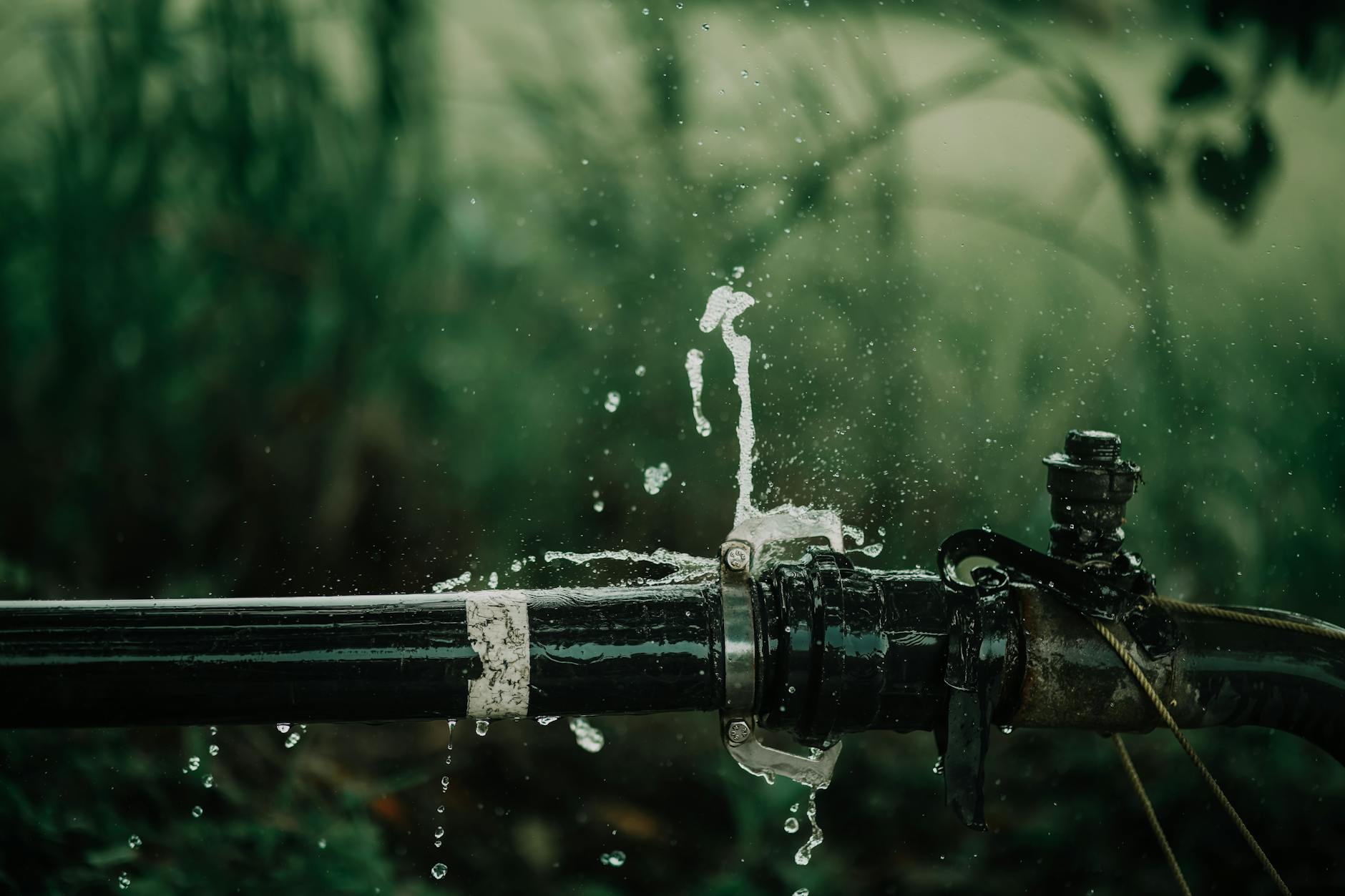
Water leak repair in Dubai costs between AED 200 for a simple exposed joint and AED 8,000 or more for a concealed under-tile pipe repair — but the real cost is almost always the delay. Behind-wall leaks saturate gypsum, destroy tile adhesive, and breed mould for weeks before they become visible. The faster you act, the smaller the bill.
What to Do the Moment You Discover a Water Leak
The first ten minutes after finding a leak determine how much damage you limit. Do these steps in order before you even call a plumber:
- Locate your isolation valve and turn off the water supply. In Dubai apartments, the isolation valve is typically inside the front door cupboard or utility room. In villas, it is usually at the boundary wall or ground-floor plant room. Turn it fully clockwise to stop flow.
- Switch off the electric water heater at its isolator switch. An empty tank with a live heating element will fail. Most Dubai apartments have a 40–100 litre electric heater in a ceiling cupboard or utility space. Switch it off before the tank drains.
- Move valuables and electronics away from the wet area. Water tracks through concrete floor slabs quickly. Anything on the floor below an active leak is at risk within minutes.
- Photograph the damage before you touch anything. Insurance adjusters and building management always ask for time-stamped evidence of the initial condition. Photograph from multiple angles before any cleanup begins.
- Notify your building management or facilities company in writing. If the leak originates from a common-area pipe or building riser, it is their responsibility to act. Formal written notification protects you legally if the damage continues.
Only after these steps — water off, heater isolated, evidence photographed — should you call a plumber. You have already stopped the active damage. Now the repair can proceed on your terms rather than in a panic.
Why Water Leaks Are Especially Destructive in Dubai Buildings
Dubai's construction methods create worse conditions for leak damage than most other cities. Three factors combine to make concealed water damage the most common property maintenance failure in Dubai by a significant margin:
Gypsum Partition Walls
The vast majority of Dubai apartments and villas use gypsum board (drylining) for internal partitions rather than blockwork. Gypsum absorbs water rapidly and loses structural integrity when saturated. A leak running behind a gypsum partition for two weeks can cause the wall to bow, crack, and — in severe cases — partially collapse. A saturated gypsum ceiling that has been wet for more than 10 days is a structural hazard, not a maintenance item to schedule for next week. Treat it accordingly.
Pre-2010 Galvanised Iron Pipework
Properties built before approximately 2010 commonly used galvanised iron (GI) pipe for supply lines. Dubai's desalinated water supply is high in dissolved minerals and has a low pH that attacks GI pipe from the inside. After 15–20 years, GI pipe develops pinholes at bends and soldered joints that are invisible until water breaks through the surface. Patch repairs on corroded GI pipe are a temporary measure at best. If you find multiple pinhole leaks in an older property, the correct answer is full pipe replacement — not repeated individual repairs at AED 500–1,500 each that fail six months later.
Concealed Pipe Routing
Dubai's all-tile construction means almost every supply pipe runs behind tile, inside screeded floors, or through ceiling voids. There is no exposed pipework to inspect periodically. A joint that is failing is invisible until water has already tracked through the substrate — sometimes metres from the actual source. This is why professional leak detection equipment is the correct approach for any concealed leak, not guesswork and speculative tile removal.
Warning Signs of a Hidden Water Leak
These signs are your early intervention window. Every day they are ignored, the repair scope grows:
- Unexplained DEWA water bill increase: A 15–30% increase in consumption with no change in household behaviour is a reliable indicator of a slow continuous leak. Compare your last three DEWA bills side by side.
- Yellow-brown wall or ceiling staining: Mineral staining from Dubai's hard water appears weeks after a leak starts. By the time staining is visible, the substrate behind it is already significantly saturated.
- Bubbling or peeling paint: Paint blistering away from a gypsum surface means moisture has been building behind it for some time — typically 2–4 weeks minimum.
- Soft or spongy wall panels: Press firmly on a gypsum partition near a wet area. If it flexes or feels soft, water is present in the board.
- Persistent musty smell near bathrooms or the kitchen: Mould colonies behind walls produce a distinctive earthy smell before any visible growth appears on the surface.
- The DEWA meter test: Close every tap, valve, washing machine, and appliance in the property. Watch the water meter dial for 30 minutes without using any water. Any movement confirms an active leak somewhere in the system. This test costs nothing and takes half an hour.
How Professionals Find Concealed Leaks Without Breaking Tiles
A competent leak detection technician eliminates guesswork and limits demolition to the area where the leak actually is. The process typically works in stages:
Pressure Testing
The plumber isolates sections of the supply system and pressurises each section with nitrogen or compressed air. The section that drops in pressure reveals which zone of pipework has a fault — narrowing a leak to a specific bathroom, a kitchen run, or a section of riser before any surface is broken open.
Thermal Imaging
Infrared cameras detect the temperature differential between wet and dry substrate behind walls and floors. A leaking pipe creates a distinctive thermal pattern visible on an infrared display without opening any surface. Thermal imaging alone can locate a pinhole behind a tiled bathroom wall to within 20–30 centimetres, eliminating speculative tile removal across an entire room.
Acoustic Detection
Amplified listening equipment detects the sound of water escaping under pressure through building materials. Useful for pressurised supply pipes where the leak sound transmits through the structure. Less effective for low-pressure drainage leaks or slow AC condensate drips.
Moisture Mapping
Once the leak source is located, moisture metres map how far water has tracked from that source — through screed, gypsum, and structural concrete. This determines the full scope of reinstatement work (how much gypsum to replace, whether floor screed needs to come out) and provides the documentation your insurer will require.
A professional leak detection survey costs AED 500–1,200 and is typically credited against the repair cost when you proceed with the same contractor. It is always worth doing before breaking tiles speculatively — the saving on unnecessary demolition and reinstatement far exceeds the survey fee.
Types of Water Leak and What the Repair Involves
Concealed Pipe Leaks Behind Walls
The most common and most damaging type in Dubai. Usually caused by corroded GI pipe, a failed compression fitting, or a soldered joint that has cracked under thermal expansion stress. Repair involves precise location using detection equipment, opening the wall surface (gypsum or tile), replacing the affected pipe section, and reinstating the surface. In older properties with widespread GI corrosion, a full pipe replacement discussion is appropriate at this point rather than another targeted fix.
Slab Leaks (Under-Floor Pipe Failures)
Slab leaks — supply or waste pipe failures within the concrete floor slab — are less visible than wall leaks and often run for longer before detection. Signs include warm spots on tiled floors (hot water pipe), persistent wet patches at skirting level, or unexplained damp rising in the unit below. Slab leak repair requires core drilling or controlled breaking of the floor tile and screed to access the pipe. Costs are higher than wall repairs: AED 2,500–8,000 depending on extent and tile reinstatement requirements.
AC Condensate Drain Blockage
The most preventable major leak category in Dubai. When AC condensate drain lines block with algae — which happens within 3–4 months without biocide treatment in Dubai's climate — the drain pan overflows and saturates the ceiling or wall below the indoor unit. This is the single largest source of water damage insurance claims in Dubai apartments. Annual condensate drain treatment costs AED 80–150 as part of an AC service and prevents this entirely. If the damage has already occurred, the repair involves drain clearing, drying the affected area, and ceiling or wall reinstatement.
Burst or Split Pipe
Less common in Dubai's concealed construction than in exposed-pipe markets, but occurs at tank connections, roof supply lines, and booster pump outlets. Symptoms are dramatic — significant water flow, rapid floor flooding. Immediate supply isolation stops the active damage. Emergency repair typically involves pipe section replacement rather than joint repair alone, and requires a plumber on-site within the hour.
Roof and Waterproofing Failure
Flat roof leaks are common in Dubai villas and low-rise buildings more than 10 years old. Waterproofing membranes have a service life of 10–15 years. Failure appears as ceiling staining in top-floor rooms, typically near parapet walls and roof penetrations after rain. Villa roof waterproofing replacement costs AED 8,000–25,000 depending on area. This is not a plumber's repair — it requires a specialist waterproofing contractor, and the distinction matters because a plumber who takes on waterproofing work is likely operating outside their competence.
Silicone Joint Failure in Wet Rooms
Silicone joints around baths, shower trays, and vanity basins harden, crack, and delaminate over 3–5 years in Dubai's heat. Water penetrates through the failed joints to the wall substrate behind. Annual inspection and resealing of wet room joints costs AED 150–300 and prevents significant follow-on damage. It is among the best-value maintenance items for any Dubai bathroom.
Water Leak Repair Costs in Dubai: Realistic Ranges
The following figures are based on typical Dubai market rates for a licensed contractor. Be cautious of quotes significantly below these ranges — the gap is usually made up through unmarked-up materials or incomplete reinstatement.
- Leak detection survey (thermal imaging and pressure test): AED 500–1,200
- Exposed pipe joint repair: AED 200–500
- Behind-gypsum-wall repair (open, repair, reinstate): AED 600–1,800
- Behind-tile bathroom repair (tile removal, pipe repair, retile, grout): AED 1,500–5,000
- Slab leak repair (core drill or break, pipe repair, reinstate): AED 2,500–8,000
- AC condensate drain clearing and treatment: AED 150–350
- Gypsum ceiling replacement after water saturation: AED 3,000–14,000
- Roof waterproofing repair (patch): AED 1,500–4,000
One important reality about concealed repairs: the scope cannot be fully confirmed until the surface is opened. A responsible contractor will provide a cost range with a written explanation of what will expand it — additional saturated gypsum, wider pipe replacement, difficult tile matching. Walk away from any fixed price for concealed work given without an on-site inspection and surface opening.
The Preventive Maintenance Case
Annual plumbing inspection of an apartment — checking supply joints, testing condensate drains, inspecting silicone seals — costs AED 300–500. A concealed leak that runs for six weeks before detection typically costs AED 5,000–20,000 to repair, not counting damage to the unit below. Preventive maintenance is not a luxury; it is straightforward arithmetic. The single highest-return maintenance item for any Dubai property is fitting a smart water leak detector near the main supply line — these cost AED 200–400 and send an alert to your phone before a slow leak becomes a structural problem.
Water Damage Insurance Claims in Dubai
Water damage is the most common property insurance claim in Dubai. Points that matter when dealing with a claim:
- Most home content and building insurance policies cover sudden and accidental water damage. Gradual deterioration from a known unfixed leak is commonly excluded — do not delay reporting and acting on a known problem.
- Photograph the damage at the point of discovery. Claims adjusters require this without exception.
- Your insurer will require a plumber's written cause-of-damage report. Obtain this before any reinstatement work begins, not after.
- Cross-unit claims — where your leak damages the apartment below — may require RERA dispute resolution to apportion repair liability. Document the timeline and every action you took to limit damage.
- If your building's common-area pipe caused the damage, the Owners Association or building management company carries the liability, not you as the unit owner.
Frequently Asked Questions
How do I find a hidden water leak in my Dubai apartment?
Start with the DEWA meter test: close every tap and valve in the property and watch the water meter for 30 minutes without using any water. Any movement confirms an active leak. Then look for secondary signs — unexplained bill increases, yellow-brown wall staining, soft gypsum panels, or a musty smell near bathrooms. A professional thermal imaging and pressure-testing survey (AED 500–1,200) can locate a concealed leak to within 20–30 centimetres without breaking any surface.
How much does water leak repair cost in Dubai?
Cost depends almost entirely on access difficulty. An exposed pipe joint costs AED 200–500. A leak behind a gypsum wall costs AED 600–1,800 including reinstatement. A behind-tile bathroom repair is AED 1,500–5,000. Slab leaks requiring floor access run AED 2,500–8,000 or more. The most expensive element of any concealed repair is usually the reinstatement — retiling, replastering — rather than the plumbing work itself.
Can a plumber detect a leak without breaking tiles?
Yes, in most cases. Professional leak detection uses thermal imaging cameras to detect temperature differences between wet and dry substrate, and pressure testing to isolate which section of pipework is losing pressure. These techniques locate a leak to within 20–30 centimetres without opening any surface. A targeted opening is then made at the confirmed location — not speculative tile removal across an entire room — saving AED 1,000–3,000 in unnecessary reinstatement.
What is a slab leak and how serious is it?
A slab leak is a pipe failure within the concrete floor slab — either a supply pipe or a waste pipe embedded in the screed. Signs include warm spots on tiled floors, persistent dampness at skirting level, or unexplained wet patches in the unit below. Slab leaks are serious because they are harder to detect early and the repair involves breaking floor tile and screed. Left unaddressed, slab leaks can undermine the structural screed and cause sustained damage to lower-floor units.
Is water leak repair covered by home insurance in Dubai?
Sudden and accidental water damage is covered by most Dubai home insurance policies — both building and contents. Gradual deterioration from a known unfixed leak is commonly excluded. Photograph all damage immediately, obtain a written plumber's cause report before repairs begin, and notify your insurer within 24–48 hours of discovery. Cross-unit damage claims may involve RERA mediation to apportion costs between property owners.
How long does it take before a water leak causes serious damage?
A minor pinhole dripping into a gypsum wall cavity can saturate the board and establish mould within 2–4 weeks. A faster leak behind a tiled floor can damage the concrete slab and the unit below within days. Early intervention consistently costs one-fifth to one-tenth of what a deferred repair costs once the substrate is fully saturated. Do not wait to investigate.
Why does Dubai have more water leak problems than other cities?
Three factors combine: galvanised iron supply pipes in pre-2010 buildings corrode from the inside due to Dubai's mineralised desalinated water; gypsum partition construction conceals leaks and absorbs water damage silently; and AC condensate drain systems block with algae every 3–4 months in Dubai's climate without treatment. The result is that concealed water damage is the most common property maintenance failure in Dubai by a significant margin.
Who is responsible for a water leak that damages the apartment below?
Under Dubai property law, the unit owner is responsible for maintaining their property and is liable for damage caused by maintenance failures to adjacent units. If you are a tenant, your landlord is typically responsible for structural maintenance failures. Act immediately to limit damage, document everything, and notify your landlord and building management in writing. If the source is a building common-area pipe, the Owners Association carries the liability.